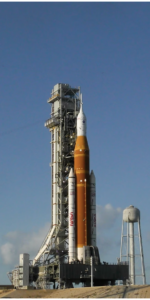



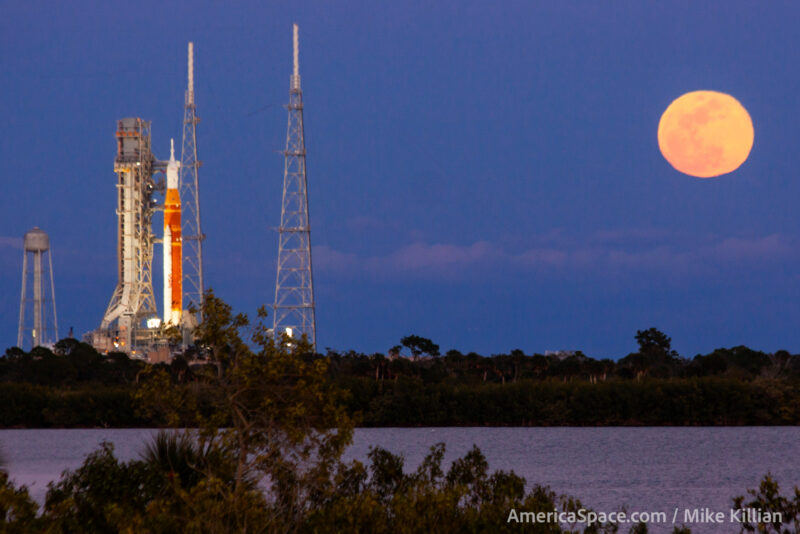
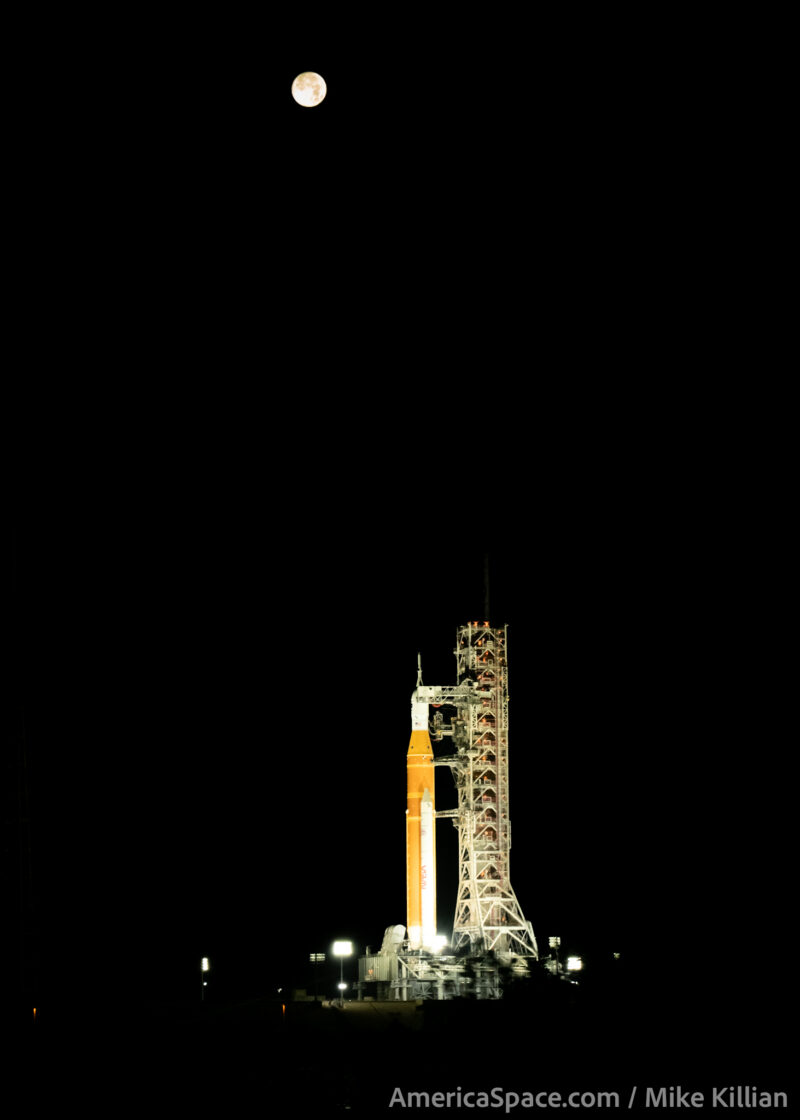
Artemis-2 wet dress rehearsal was the first time the powered-up integrated fueled stack could talk to NASA. Orion was configured for flight, the closeout crew safely closed the hatches & white room, the access arm bridge retracted fine, the rocket was fully fueled, but a pesky hydrogen leak spiked to cutoff limits when they entered terminal countdown & pressurized the core stage.
In a news conference Feb 3, mission leadership said they can fix the leak at the pad, so no rollback to the VAB is planned. The problem is at the tail service mast umbilical (TSMU) cavity, at the base of the rocket between where the flight and ground plate come together.
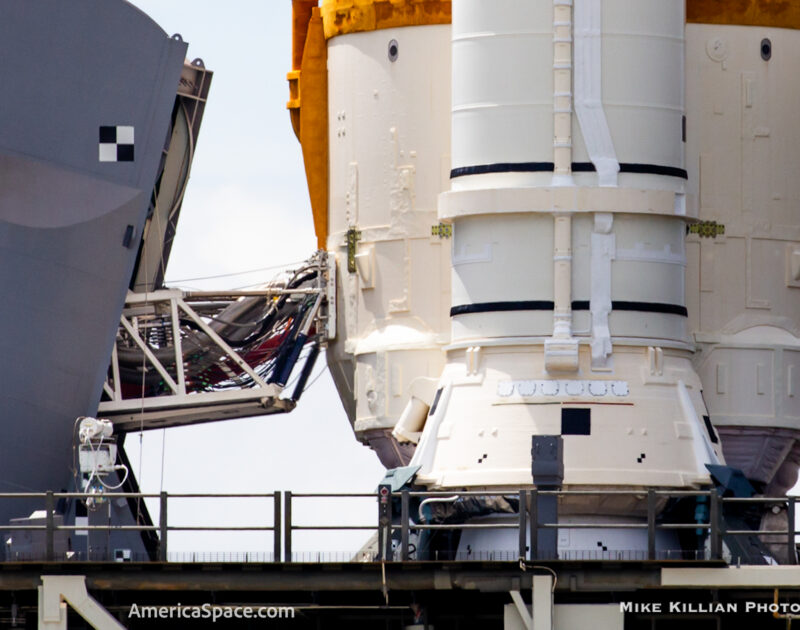
The flight-side interface with the leak is complex and sensitive to flow rates & pressures, & uses a pressure-assisted seal. In the slow-fill phase everything was ok, but as they gradually increased pressure into fast-fill the leak started. They know how to manage it from Artemis-1, let the seal & interface get warm & adjust pressure to stay within leak limits to get the tank full. NASA has a leak limit cutoff of 16% for SLS. The leak ranged from 12-14%.
When ops entered Terminal Count & pressurized the core stage, the leak quickly spiked, stopping the countdown. It’s what WDR is for, testing everything as it will be on launch day and addressing issues so they aren’t a problem when it’s time to do the real thing.
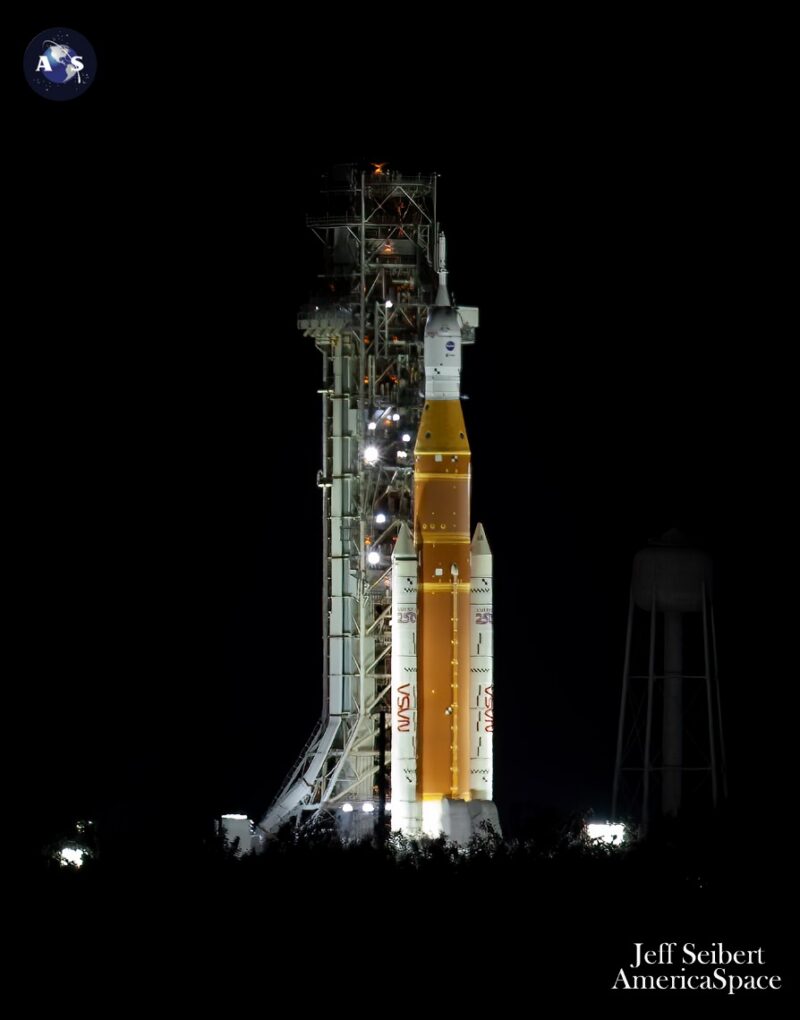
Workers will access the interface plate and look at the seal
The team is now reviewing data & investigating which bleed line is involved. They need to access the interface plate & remove & inspect the seal. There may be a misalignment, a deformation or debris on the seal.
Similar leaks with Artemis-1 were on the ground-side. Engineers made numerous modifications & improvements after. No leak occurred on that side for Artemis-2 WDR.
“After Artemis I, with the challenges we had with the leaks, we took a pretty aggressive approach to do some component-level testing with some of these valves and the seals, to understand their behavior,” said John Honeycutt, chair of the Mission’s Management Team.
“We got a good handle on that relative to how we install the flight-side and the ground-side interface, but on the ground, we’re pretty limited in how much realism we can put into the test. We try to test like we fly, but this is a very complex interface. When you’re dealing with hydrogen, it’s a small molecule. It’s highly energetic.”
NASA thinks rollout may be a contributing factor behind the leaks
In the press conference, NASA noted that moving the giant rocket may be a factor behind the leak. There isn’t enough data to prove it, but the TSMU is mated to the stack during rollout. Engineers can’t fully characterize the environment & stresses from top to bottom during those delicate moves, the same way they can predict stresses while on the pad. That’s one reason why they never want to move the stack unless they have no choice.
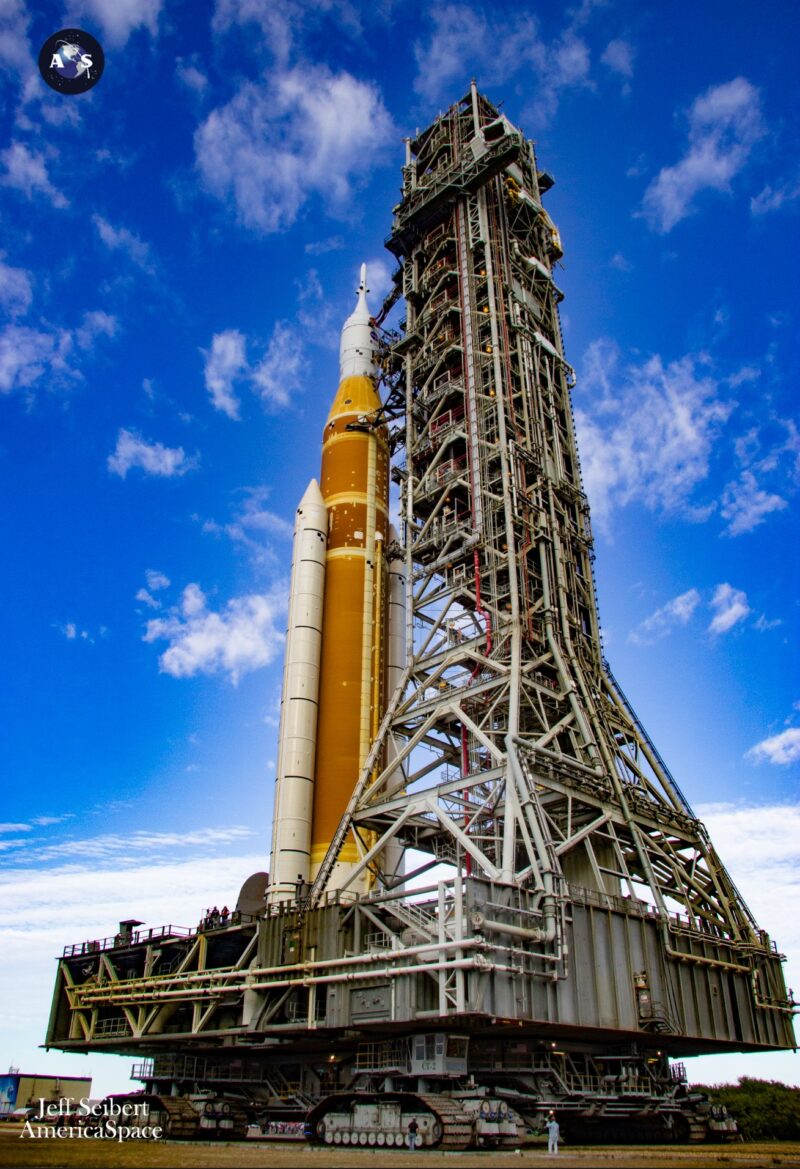
Artemis-2 can stay on the pad through March, but beyond that it would have to rollback to the VAB so technicians can service the upper stage batteries. The cast-life on the SRBs is good to 2028, & Orion’s CO2 scrubbing system is checked out to mid-2027.
One of the big things NASA hoped to do but couldn’t is get through terminal count to T-0 (liftoff). The team wants to verify a 3-minute hold capability, demonstrating that the SLS cryo propellant systems can hold in a launch-ready state. They also want to execute a recycle where they have a cutoff in the countdown and come back to target a new T-0. Both will be done in the next WDR.
March 6-9 and March 11 are the next launch opportunities.